


A Practical Approach to Pediatric Weight Gain
- Apr 6
- 3 min read
From Our Dietician - Morgan Knust
For some kids, weight gain can be a struggle. As parents and caregivers, it can be easy to become obsessed with every calorie consumed and every ounce gained. This can be stressful! While there are many reasons why a child might have low intake (low appetite, sensory issues, oral motor delays, etc.), we can still make small changes that make a big difference. Both nutrition quality and quantity are important!
Building a balanced meal is the first step. We want meals to contain each of our three macronutrients to ensure that the meal is packed with energy and hits all of your little one’s nutritional needs.
Carbohydrates: This is the nutrient needed in the highest quantity for energy needs! It’s best to choose carbohydrates that have fiber in them like whole grains, fruit, vegetables, beans, and lentils. Carbs can often be a good vessel for adding calories to: think peanut butter stirred into oatmeal or avocado mashed onto whole grain toast. Beans are a great food to blend into sauces or use as the base of baked goods!
Protein: Protein is essential as the building blocks to support the rapid growth that happens during childhood! Many parents fear their child isn’t getting enough, especially if they aren’t huge meat eaters, but protein can come from a variety of other sources: eggs, milk, greek yogurt, cottage cheese, cheese, peas, beans, hemp hearts and nut butters. Consider adding more than one of these sources per meal if meat/poultry isn’t on the plate, and it will add up quickly to meet protein requirements.
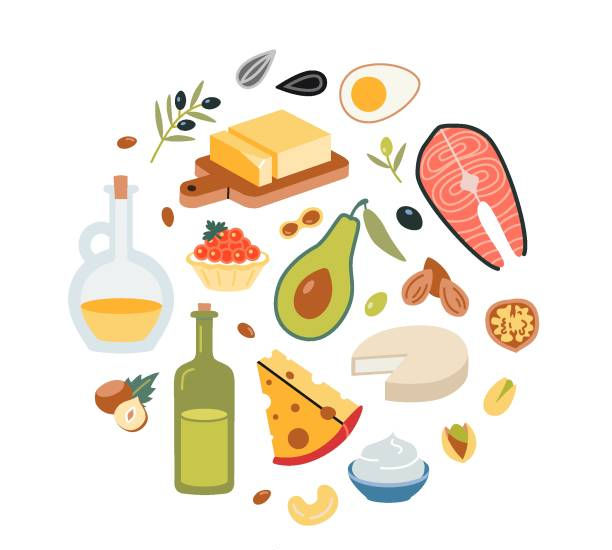
Healthy fats: These give us the most bang for our buck as our most calorie-dense nutrient, which means that even a small amount can go a long way! They are essential for brain development and vitamin absorption. These are foods like olive oil, chia seeds, flax seeds, avocados, nuts, nut butters and full-fat dairy.
When kids need to gain weight, it often isn’t as simple as just adding more food to the plate. After building a balanced meal, step two is finding creative ways to boost calories without increasing the volume of the food. Here are some of my favorite tips and tricks!
Use butter and oils as part of the cooking process: cook protein/veggies in generous amounts of fats or spray olive oil onto frozen foods before heating up in the oven.
Stir in fats like butter into noodles/rice, peanut butter into greek yogurt, or heavy whipping cream (50 calories per tablespoon!) into sauces/oatmeal/scrambled eggs.
Smoothies are a great way of reducing the amount of volume of food with blending - and you can sneak in some calorie boosters like avocados, full-fat dairy, and ground flax/chia seeds.
Top foods with a sprinkle! Sprinkle hemp hearts on top of avocado toast, ground flaxseed on top of peanut butter banana slices, or parmesan cheese on top of veggies or pasta. Try letting your little one do the sprinkling themselves to create engagement and excitement around the food!
Use condiments and dips generously. Not only are they adding calories to the plate, they are also providing a fun way for kids to try new foods. Hummus and guacamole serve as great high calorie dips with bonus nutrition, but regular ketchup is just fine too! Consider using greek yogurt for the base of sweet or savory dips for a little extra protein.
Feeding kids can already feel overwhelming, and concerns about weight gain can add even more pressure. However, meal times don’t have to become a battle! Keeping food experiences positive without forcing bites or requiring a clean plate helps support growth and a healthy relationship with food. Rather than focusing on exact calorie numbers, use the framework for building healthy meals and snacks while incorporating small amounts of calorie boosters.
If you’re feeling unsure about what this looks like for your child or are still concerned about weight gain, you don’t have to figure it out alone. I’m always here to help - please reach out at any time for personalized guidance and support tailored to your family!
-Morgan Knust R.D.


Comments